
学警狙击
1,500-year-old glazed pottery reveals Eurasian cultural exchanges in ancient northern China_我的网站

A | 伊朗股市暗示着局势变化! 北京时间8月26日下午,据Tindex(伊朗经济指数参考),德黑兰证券交易所综合指数上涨155000点,突破6385000点;一度有90%的股票上涨,超过80%的股票上涨2%—3%。

B |
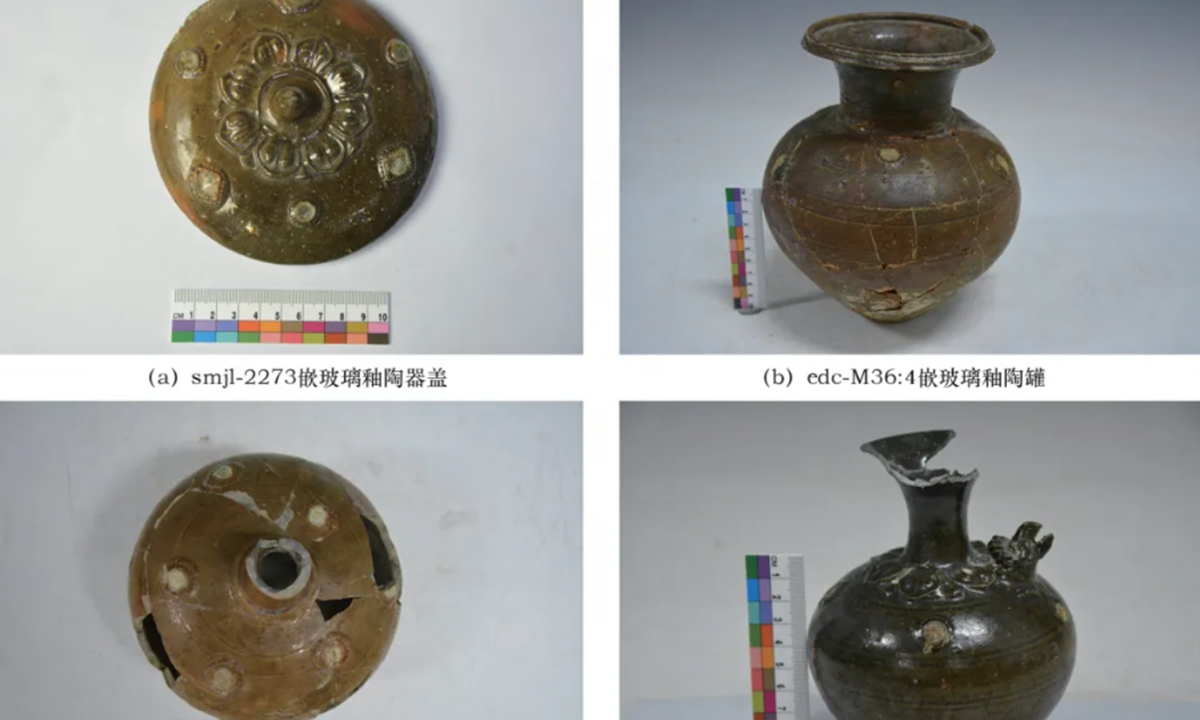
Systematic analysis conducted by the institute of pottery wares dating back to the Pingcheng period of the Northern Wei Dynasty (386-534) has identified distinct foreign cultural and technological elements embedded in the craftsmanship and material composition of the unique artifacts, shedding fresh light on ancient Eurasian cultural integration.
Established by the Tuoba Xianbei ethnic group, the Northern Wei Dynasty designated Pingcheng, present-day Datong city in Shanxi Province, as its capital from 398 to 494. For nearly a century, the city served as a pivotal multicultural hub where Xianbei nomadic culture, Central Plains Han culture and diverse Western Regions civilizations converged and interacted, according to a report on Chinanews.com.cn.
Archaeological excavations at multiple tomb clusters in Pingcheng, including the Dongxin Northern Wei cemetery and the Qilicun cemetery, have yielded a total of eight pieces of glass-inlaid glazed pottery. Though far fewer in number compared with common glazed pottery figurines and painted glazed wares, these artifacts feature an extremely rare inlay technique unseen elsewhere in the developmental history of Chinese ceramics, according to the press release.
Given the exceptional rarity and good preservation of the relics, researchers selected four representative pieces for comprehensive laboratory testing and material analysis. The results show that the glass inlays are primarily soda-alumina glass, most likely produced by remelting trade beads from the Indian Ocean and Pacific regions, a key commodity in ancient maritime and overland trade networks.
The findings confirm that Pingcheng maintained frequent cross-border trade and cultural communication during the Northern Wei era, with access to glass raw materials sourced from diverse overseas regions. The varied compositional characteristics of the inlaid glass provide crucial clues for studying ancient glass-making technologies, raw material circulation and long-distance trade routes in ancient East Asia, the press release noted.
Beyond material composition, the artifacts also embody prominent cross-cultural innovation in design. Their decorative motifs draw heavily on gem-encrusted gold and silver wares of the Sasanian Persian Empire, while integrating artistic elements from other Eurasian regions. The blended design styles reflect the era's prevailing trend of multicultural fusion and creative assimilation of foreign civilizations.
Archaeologists noted that the glass-inlaid glazed pottery represents an innovative technological achievement crafted by Northern Wei artisans who absorbed and refined foreign techniques and aesthetics. The distinctive craftsmanship and stylistic features of these wares exerted a far-reaching influence on ceramic production in surrounding regions and subsequent dynasties, marking a vital chapter in the evolution of ancient Chinese ceramic art.
The research underscores that ancient China's northern borderland was not an isolated cultural enclave, but an active node in Eurasian cultural and trade exchanges, where foreign elements were localized and innovated to form unique regional civilizational achievements, archaeologists from the Shanxi Provincial Institute of Archaeology said.
。

C | 据新华社消息,据伊朗伊斯兰共和国广播电视台25日晚报道,伊朗外交部副部长加里巴巴迪表示,根据伊朗与阿曼就霍尔木兹海峡航线新达成的谅解,进入波斯湾的航线将途经伊朗水域,离开波斯湾的航线将途经阿曼和伊朗水域,任何军舰不得通过该海峡,只允许商船通行。

D | 上午还有消息称,美国与伊朗已就停火协议条款达成共识,其内容包括霍尔木兹海峡的自由航行。 伊朗90%的股票上涨 伊朗伊斯兰共和国通讯社(IRNA)称,今天开盘后,德黑兰证券交易所综合指数上涨155000点,突破6385000点;一度超90%的股票上涨,超过80%的股票上涨2%—3%。这已经是伊朗股市连续第二天爆发。昨天开盘不到一个小时,德黑兰证券交易所综合指数上涨逾10万点,突破历史性的620万点。 伊朗股票的表现显然与美伊冲突局势缓和有关。巴基斯坦军方和伊朗安全部门消息人士对俄罗斯卫星通讯社透露,美国与伊朗已就停火协议条款达成共识,其内容包括霍尔木兹海峡的自由航行。消息人士说:“就停火协议达成共识,其中包括霍尔木兹海峡的自由航行条款。”消息人士指出,双方预计将在未来几天内公布相关消息。

E | 据消息人士介绍,根据谅解备忘录,将启动谈判和一轮技术性会议。 新华社援引伊朗伊斯兰共和国广播电视台25日晚报道,伊朗外交部副部长加里巴巴迪表示,根据伊朗与阿曼就霍尔木兹海峡航线新达成的谅解,进入波斯湾的航线将途经伊朗水域,离开波斯湾的航线将途经阿曼和伊朗水域,任何军舰不得通过该海峡,只允许商船通行。

F | 加里巴巴迪表示,伊朗与阿曼之间的谅解并不意味着立即开放霍尔木兹海峡,上述通行安排为临时措施,两国后续将在30至60天内就划设一条新的永久航线展开谈判。 加里巴巴迪强调,如果伊朗的要求和条件得不到满足,霍尔木兹海峡将继续关闭。他表示,重开海峡的前提条件包括彻底结束黎巴嫩战线在内的所有战事、解除封锁、妥善解决也门问题,此外,美国必须全面履行其此前未能履行的所有承诺。加里巴巴迪说,美国声称已清除霍尔木兹海峡水雷的说法是“宣传谎言”,伊朗将打击进入该区域的美国扫雷舰。 变数依然存在 伊朗《Al-Vefaq》报编辑穆赫塔尔·哈达德表示,美国媒体报道称,美国国务卿鲁比奥表示华盛顿不会对伊朗发动新一轮打击,这表明美国有意维持目前的僵局,直至美国中期选举结束。哈达德警告说,伊朗不会被动地等待美国的时机。他认为,美国近期宣布的封锁和制裁措施并无实质新意,并表示,如果伊朗认为美国未能履行条件或不履行谅解备忘录,德黑兰将采取必要措施;他还补充说,伊朗正在调整的军事战略也体现了这一立场。 从霍尔木兹海峡的通航情况来看,周三公布的初步航运数据显示,周二有五艘散货船通过霍尔木兹海峡,与周一持平,但远低于过去十天的平均水平15艘。Kpler的初步追踪数据显示,两艘液化石油气船和一艘沥青船离开海峡,另有两艘空载成品油轮从阿曼湾进入。周一有四艘散货船通过。由于部分船舶关闭了AIS应答器,数据可能会有所修正。

G | 周二通过曼德海峡的船舶数量基本持平,为31艘,与前一天的29艘基本一致,与过去十天的平均水平大致相符。 另外,本周有四位消息人士透露,出于安全考虑,至少三家印度炼油企业和一家全球能源巨头计划停止使用伊朗新列入黑名单的船舶,其中包括用于船对船转运的船舶。 伊朗上周日公布了一份包含45艘船舶的名单,称这些船舶违反了其霍尔木兹海峡通行规则,并警告称将对任何与这些船舶进行货物转运的船舶采取行动。

H | 此举似乎旨在“干扰”阿联酋和沙特阿拉伯等海湾产油国的所谓“穿梭运输”。

I |  (文章来源:券商中国)。
Current article:http://sqwwx3.piepengxikuozhuangzebaohouye.sbs/otejyk/xsvozv.html
Published on:15:33:57
 From the grove to the sky: Chinese team develops drone made of bamboo-based composites
 阿里明确电商战略重心,三大举措服务实体经济,阿里明确电商战略重心,三大举措服务实体经济
 【哈幼·后勤保健】合肥市哈尔滨路幼儿园: 科学测体能 运动促成长——幼儿体能测试
 芯碁微装:上半年净利润2.81亿元,同比增长98.13%
 未来实现回收后成本仅SpaceX一半!力箭二号遥二运载火箭顺利出厂 10月发射
 India logs 2,119 new covid cases in 24 hours